
Designing a Living Room for Entertaining and Everyday Use

In estate homes across Paarl, Val de Vie and Stellenbosch, the living room is rarely a single-purpose space. It must welcome guests with quiet confidence while remaining comfortable enough for daily use. These homes are generous in scale, often with double-volume ceilings, expansive glazing and open transitions to terraces.
Without careful planning, such proportions can feel either under-furnished or overly formal. A successful living room design resolves this tension through clarity and restraint.
A luxury living room designed for both entertaining and everyday use requires clear zoning, conversation-focused layouts, layered lighting and durable materials scaled to the architecture. The space should support circulation, comfort and visual cohesion, ensuring it functions equally well for formal gatherings and relaxed daily living.
Respect Architectural Proportion

Large estate living rooms demand more than attractive furniture; they require architectural alignment. Ceiling height, window rhythm and sightlines must guide layout decisions.
Rather than positioning all seating against walls, floating furniture inward establishes intimacy within volume. Rugs play a critical role here, anchoring arrangements and visually reducing expanses of flooring.
Professional spatial planning through experienced interior design and styling services ensures furniture scale aligns with architectural massing before investment pieces are selected. In larger homes, proportion is the foundation of refinement.
Create Defined Yet Connected Zones
A single oversized seating arrangement rarely performs well in a large living room.
Instead, consider layered zones:
A primary conversation area centred on a coffee table
A secondary reading or fireside arrangement
Clear circulation routes toward dining areas or terraces
These zones should feel connected, not compartmentalised. Subtle shifts in lighting, rug texture or ceiling detail can define areas without fragmenting the space.
For broader architectural examples of living room proportion and spatial layering, Architectural Digest offers thoughtful case studies from international residential projects:https://www.architecturaldigest.com/story/living-room-design-ideas
Design for Conversation
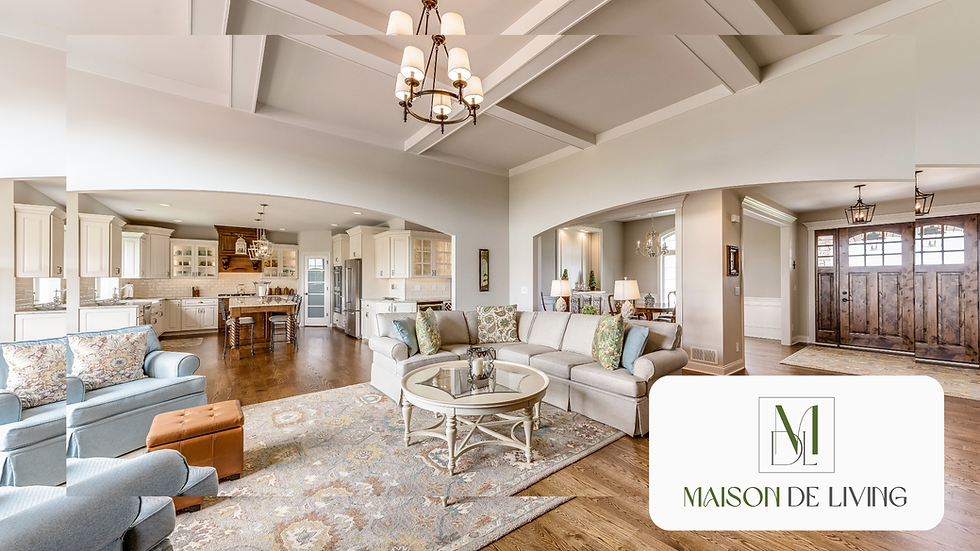
Entertaining in the Cape Winelands often centres around conversation rather than spectacle. Seating should therefore encourage engagement.
Armchairs angled slightly inward foster connection. Occasional upholstered stools allow flexibility for larger gatherings without permanently cluttering the room. Coffee tables should be proportionally generous but never obstruct circulation.
Tailored bespoke furniture and upholstery ensure each piece is correctly scaled to ceiling height and wall spans, preventing visual imbalance.
Layer Lighting for Atmosphere
Natural light in Paarl is abundant, but evening entertaining requires a softer approach. A well-considered lighting scheme includes:
Ambient ceiling lighting for general illumination
Table and floor lamps to introduce warmth
Accent lighting to highlight artwork or architectural niches
Layered lighting softens vertical scale and allows the atmosphere to shift naturally from day to evening. It prevents reliance on a single overhead fixture, which can flatten otherwise refined interiors.
Prioritise Material Longevity
Estate homes are designed for long-term occupation. Materials should reflect this.
Durable upholstery fabrics resist sun exposure. Timber finishes must remain stable through seasonal temperature variation. Stone surfaces offer both visual weight and resilience.
Window treatments are particularly significant in the Winelands climate. Professionally designed curtains, blinds and soft furnishings manage glare, introduce acoustic softness and frame mountain views without competing with them.
Longevity design considers how the room will perform five, ten or twenty years from now.
Embrace Restraint

In large homes, the temptation is often to fill volume. However, restraint communicates confidence. Negative space allows architectural features to remain legible and prevents visual fatigue.
A few well-crafted pieces, thoughtfully positioned, create more impact than excessive layering. Luxury is rarely loud. It is measured.
Conclusion
A living room in an estate home should feel anchored and adaptable. When proportion, lighting and materiality are resolved holistically, the space supports generous entertaining while remaining comfortable for daily family life.
Rather than focusing on decoration, emphasis should remain on balance and longevity. These principles ensure the room continues to feel relevant long after design trends evolve.
Frequently Asked Questions
How should a large estate living room be laid out?
A large estate living room should be divided into clearly defined zones with floating furniture arrangements that encourage conversation while maintaining natural circulation paths aligned with architectural features.
What makes a living room suitable for entertaining?
Comfortable seating arranged for interaction, layered lighting and flexible occasional seating make a living room suitable for entertaining without sacrificing everyday practicality.
How do you make a living room feel luxurious but comfortable?
Luxury is achieved through proportion, quality materials and restrained detailing, while comfort comes from well-scaled seating, acoustic softness and warm, layered lighting.
If you are reassessing how your living spaces function within a larger property, you are welcome to request a design consultation for considered, long-term guidance.


Comments